A sixth great grandfather:

Hon. Colonel Ezekiel Cushing (1698 – 1765)

Ezekiel was born in Scituate Plymouth Colony on Monday April 28, 1698. He was the fourth child of Reverend Jeremiah Cushing and Hannah Loring, the daughter of Thomas Loring and Hannah Jacob of Hingham. His first wife was Hannah Doane of Plymouth, born on December 1, 1703 in Provincetown.

They married in Truro on November 5, 1719.

Ezekiel and Hannah had the following children, all born in Provincetown:

Loring, born 10 August 1721, who graduated at Harvard College, 1741, 

Ezekiel, born 3 June 1724; 

Jeremiah, born 7 October 1729; 

Hannah, born 9 February 1732; 

Lucia, born 13 July 1734, died in infancy;

Lucia, 27 December 1735; 

Phebe, 15 April 1738;

Nicolas, born in 1740 and died in 1745.

Ezekiel was coroner in 1727 and 1729. After 1738 the family moved to Cape Elizabeth (then Falmouth), Maine and occupied Cushing’s Point which has ever since bourne his name, and where a portion of his house remains. He owned Cushing’s Island in Portland Harbor, and sold it to Joshua Bangs on 14 September 1760, by whose name it was known until 1859, when it was purchased by Lemuel Cushing, of Montreal, Canada, who gave it its present name. 

He also owned the greater part of Long Island (Maine) with Marsh and Overset Islands in Portland Harbor, and he bequeathed them in his will to his children. He was a merchant, and about 1719 went to Provincetown with his brother Jeremiah where they engaged in the fishing and whaling industry, as well as the West India trade, owning many schooners and sloops. His large mercantile establishment was on the point bearing his name, a few rods east of the breakwater and at the western extremity of the sandy cove west of Fort Preble. 

It is authoritatively stated that during his time, there was more commercial business carried on in Simonton’s Cove and on the Cape Elizabeth shore, than on the Falmouth side. He was active and prominent in the affairs of the settlement and became one of the most respected as well as distinguished men in Portland neighborhood. 

Ezekiel was Commander of the County Regiment at that time, the highest office in Maine, and in 1757 was able to furnish 50 men from his regiment to defend the inhabitants against the Indians, and one hundred to protect the Commissioners while there were arranging the terms of peace. 

He was Selectman of the town for nine years, and Justice of the Peace in 1756, 1760 and 1761; Justice of the Court of Common Pleas 1760 to 1763, and filled other important offices. 

Governor Shirley dined at Colonel Cushing’s on 23 July 1754. He took a prominent part in the religious dissensions which broke out in the Church there, and in 1756 was a leader of the opposition to the installation of the Rev. Ephraim Clark over the Church. After the installation he was set off to the first parish where he afterwards attended, though just previous to his death he petitioned the General Court and was restored to his own precinct. 

His wife, Hannah Doane, passed away on June the 7th, 1743 at the age of just 38.

On April 1, 1746 he married the widow of Jacob Parker of Boston, Mary Ann Jordan, a daughter of Dominicus Jordan and Elizabeth Joy of Cape Elizabeth. Ezekiel and Mary Ann had three children, John, Thomas Nicolls, and Nathaniel. Mary Ann had four children by her first husband, one of whom, Mary Parker, married Loring Cushing. His daughter Lucia, married James Otis of Scituate, and Hannah married Charles Robinson. His descendants are numerous both in the male and female lines. He was one of the most distinguished men in our neighborhood, and lived in high style. 

In those early days island property was considered especially valuable on account of the protection afforded from the Indians. Col. Cushing owned the whole of Long Island and the island afterwards known as Bang’s Island, now called Cushing’s Island, upon which nature has bestowed so much beauty and grandeur- one of the most famous on the Maine coast. Col Cushing was also owner of the Cushing’s Point, Cape Elizabeth, and at his death was buried on the Cape in Mt. Pleasant Cemetery, near his little son, who met with a tragic death. The people of the household were attending church. The Cushing lad and a little boy found a horse pistol, and were playing with it when it was discharged and young Cushing was killed.

Ezekiel’s will was made 11 April 1765. He died in 1765, aged sixty-seven.

His will was printed in the Daily Eastern Argus, Portland, Maine. Saturday morning, June 17, 1911.

It was executed in 1766 by Colonel Ezekiel Cushing.

The Will

In the name of God, Ezekiel Cushing of Falmouth, in the county of Cumberland and province of the Massachusetts Bay in New England, being of disordered in body, but sound of mind and memory , blessed be God, calling to mind that it is appointed to all men once to die, do this the 11th day of April in the fifth year of the reign of George the third, King of Great Britain, etc, and in the year of our Lord, 1765, make and publish this my last will and testament in manner and form following, that is to say imprimis. I commend my soul into the hands of Almighty God who gave it me, and my body to the earth from whence it came, in hopes of a joyful resurrection through the merits of my Saviour Jesus Christ, and as for that worldly estate where with it hath pleased God to bless me I dispose thereof as follows. 

First, I give and devise to my two sons, Loring Cushing, and Jeremiah Cushing, and to the heirs of their bodies lawfully begotten, 200 acres of land on Long Island with the house and buildings thereon, bounded as follows. Begining at Birch Point thence running along on the north side of said island till it comes within about 30 rods to the southwest of the house that my brother Ignatius Cushing lately lived in, thence running back into the island towards the south side, till it completes the said 200 acres to be equally divided between them, and also two acres of marsh at the head of the salt marsh of said island. I give to them and to the heirs of their bodies lawfully begotten as aforesaid, to be equally divided between them. 

 2nd Item— I give and devise to my son Thomas Nicholls Cushing and to the heirs of his body lawfully begotten, my homestead where I now dwell, that is all the land below the road that leads from the ferry to the house where Robert Gorden lastely lived, excepting the house, barn and two acres of land where my said son Loring now lives, and also excepting two acres of meadow at the head of my mowing ground near the great birch tree, with the proviso, and on this condition, namely, that my said son Thomas Nicholls shall maintain and support this mother, my beloved wife Mary, in a proper decent manner, with all necessaries of life during the remainder of her natural life, and I also give my third son Thomas Nicholls my old desk standing in my bedroom.

3rd Item— I give and devise to my son Ezekiel Cushing and to the heirs of this body lawfully begotten 120 acres of land on said Long Island to be bounded as follows. Beginning at the northeast side of Long Cove and running northeast end of said Long Ilsland and so leads towards the south side of said island until it completes the said 120 acres, reserving one acre of land at the head of Long Cove together with the said beaches round the said island to be and belong to my children equally among them and their heirs forever. 

4th Item — I give and devise to my two sons Nathaniel and John, and to the heirs of their bodies lawfully begotten, 150 acres of land on said Long Island at the southeast end thereof with the houses and buildings there on, being the place where Jedediah Soul now lives. 

5th Item — I give and devise to my three sons Thomas Nicholls, Nathaniel and John and to their heirs of their bodies lawfully begotten 150 acres of land on said Long Island to be bounded as follows. Beginning on the south side of Harbor Grace, returning running straight to the bridge that was built by Solomon Sawyer and others, and from thence running a straight course across the island toward Sandy Cove till it comes to the beach line of the said 200 acres already given to my sons Loring, and Jeremiah, aforesaid, about 30 rods to the northeast of the said house my said, brother Ignatius Cushing lived in, thence by that beach line southwesterly as far as that a straight line over to the south side of said island from the first two lines from said Harbor Grace shall make the compliment of said 150 acres with the building thereon.

6th Item — I give and bequeth to my said wife Mary the bed my said wife and myself common lay on with the bedstead and bedding and curtains thereto belonging, warming pan close horse, stove and looking glass and trunks, and in the room where we usually lay, and the Negro girl Dinah, about 4 years old, during her natural life, and a silver tankard. 

 7th Item — I give to my daughter Lucy Otis and her heirs 100 acres of land on Long Island adjoining the said 150 acres already given to my said two sons Nathaniel and John and also silver can. 

8th Item — I give and bequeath to my two daughters Hannah Robinson and Phoebe Cushing the house and land I purchased of Jacob Sawyer, and others, to be divided equally between them, to them and their heirs forever. 

9th Item — I give and bequeath to my said daughter Phoebe the use and improvements of the easterly chamber in the house where I now dwell, while she remains single, and unmarried the bequest of my said son Thomas Nicholls, not withstanding. I also give her a privilege to the kitchen while she remains unmarried. 

10th Item — I give and bequeath to my said daughter Hannah Robinson one cow.

11th Item — I give and devise to my said son Loring Cushing, and to his heirs one half of the house and barn where he now lives with half two acres of land adjoining, also one half of the two acres of meadow land near said great birch tree, together with one half the land lying opposite said house over the way on the south easterly side of the road between Jacob Sawyers land the Woodbury land, to him and his heirs forever. The other half of the said house and barn and two acres of land adjoining and two acres near said birch tree and said piece of land opposite to said house on the southern side of the road between said Sawyers and Woodburys . I give and bequeath to my said sons Nathaniel and John to them and their heirs, forever reserving to all my children the privilege of making use of the spring of water on the said piece of land lying between said Sawyer and Woodburys land to them and their heirs forever. 

12th — I give and devise to my said son Thomas Nicholls and to his heirs the small island called Overset lying on the southeasterly end of said Long Ilsand, containing six acres more or less, and my will is that all the land on said Long Island not already disposed of in my will be sold by my executors hereafter named as soon as they conveniently can to pay my just debts. 

Lastly, I hereby make and ordain and constitute my said son Thomas Nicholls Cushing, my good friend Joseph Mariner of said Falmouth, Yeomen, my executors of my last will.

In witness where of I the said Ezekiel Cushing, have, to this my last will and testament set my hand and seal one day and year above written.
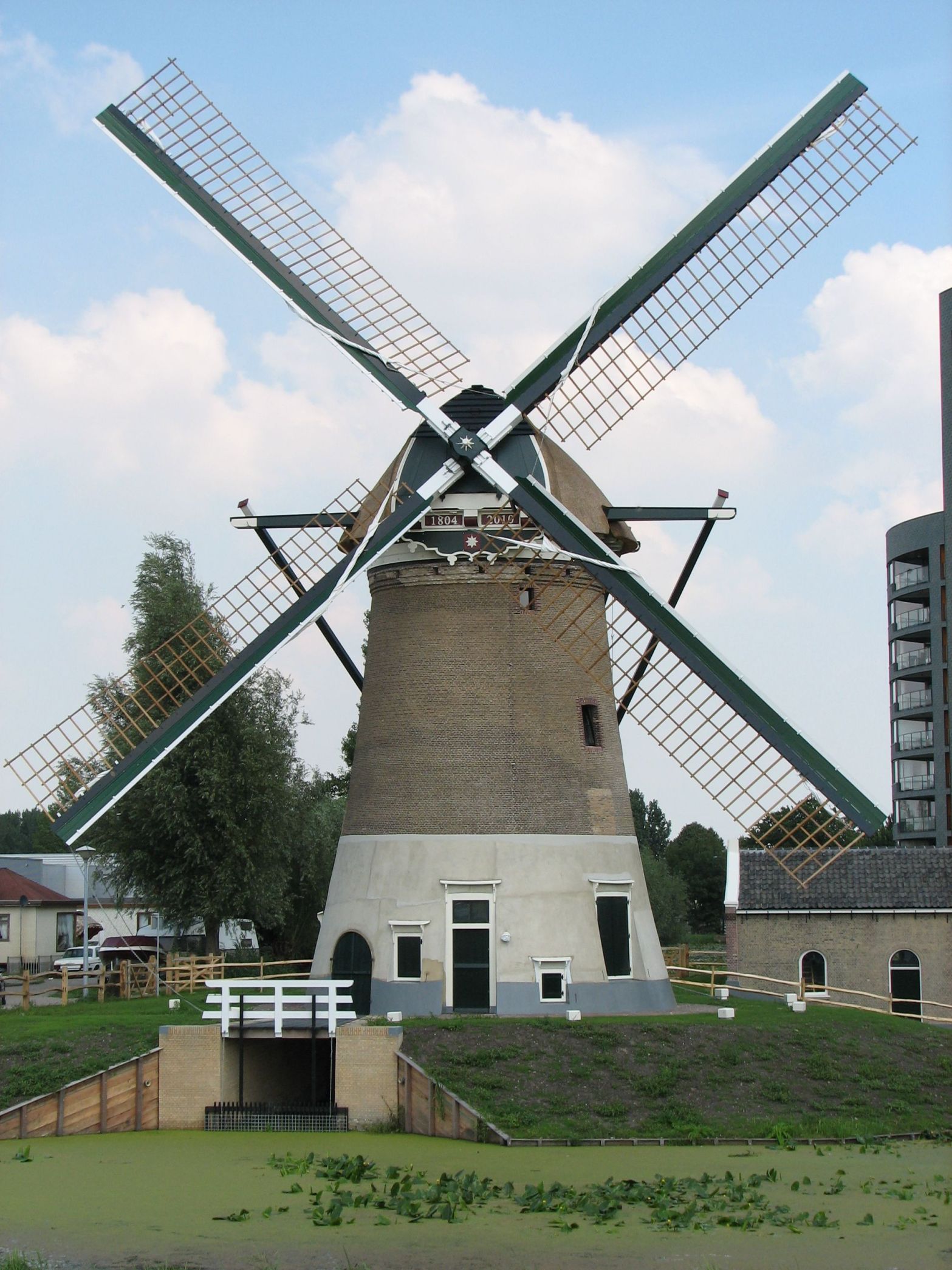
A fictional story about a third great uncle

Written by Carolyt Koops. Published with permission. Translation to follow.

Jan Matse 1805 – 1887 Molenaar op de Malle Molen in Kort Akkeren, Gouda (Voorheen Broek)

Gepubliseerd door de gemeente Gouda, ‘Verhalen rond de Malle Molen’

Dit verhaal gaat over Jan (Johannes) Matse die leefde van 1805 tot 1887. Hij woonde en werkte maar liefst 53 jaar op de molen.

Jan was geboren in Broek in 1805. In 1806 werd hij gedoopt en op 20 oktober 1831, bij een temperatuur van 15 graden, trouwde hij met Aaltje de Vos, oud 18 jaar, afkomstig uit Gouda. Jan kwam uit een geslacht dat meerdere watermolenaars had voortbracht. Grappig is dat hij met het beroep “bouwman” door het leven ging. Als watermolenaar was je in dienst van schout en poldermeesters. Voor een jaarloon van f 75,- werd in 1817 in de Weijpoortse molen in Bodegraven watermolenaar Jannes van Vliet in dienst genomen. Een lange waslijst van instructies werd opgetekend waaronder bijv. het onderhoud van straat en erf, maar ook van de molen zelf. Zo moesten iedere acht dagen de roeden ondersteboven worden gezet en de zeilen ten allen tijden goed droog gehouden worden. Ook moesten de glazen schoon gehouden worden en mocht er een breken, dan waren de kosten voor de molenaar.

Voor “onze” Jan gold hetzelfde.
In 1834 was hij samen met zijn Aaltje op de molen komen wonen. Zij hadden toen een zoontje en een dochtertje en op de molen waren sindsdien nog 9 kinderen geboren en 9 keer had de molen in de vreugdestand gestaan. Niet alle kinderen waren groot geworden. Bartolomeus, die in 1837 werd geboren werd maar 9 weken oud en Johannes Jacobus uit 1846 maar een maand. De eerste Helena uit 1847 werd ook maar 4 maanden oud, maar gelukkig ging het met de tweede Helena beter, die uit 1850…

Dit verhaal speelt op maandag 25 augustus 1851. Moeder Aaltje is net weer uit het kraambed van Gijsberta die op 11 augustus geboren is. De vroedvrouw was tevreden geweest na de bevalling, maar het was Aaltje niet meegevallen. Naar Gouda om te bevallen, zoals Jan had voorgesteld, had ze niet gewild; het St. Catharina Gasthuis was een ziekenhuis waar o.a. hoeren werden behandeld op de “syphilistische bovenzaal” en het St. Elisabeths-gasthuis kostte flink centen! Bovendien had ze de hulp van dochter Maria, bijna 17 nu en bijna net zo oud als toen ze zelf Jan trouwde! Maria was haar steun en toeverlaat; ze wist hoe ze de zuigeling moest bakeren, maar ook hoe huishouden en de molen werkte!

Op die maandag kwamen schout en poldermeesters langs voor een schouw. De schouw was aangekondigd en Jan had de pest in. De vorige keer was hij beboet omdat hij een visnet vlakbij de watergang had hangen terwijl de molen onderzeil was. Volgens de schout hing het net te dichtbij de watergang, hetgeen door Jan was tegengesproken. Dat laatste had hij beter niet kunnen doen want de jonge schout was in zijn wiek geschoten en vervolgens zat Jan in de maling! Jan had Aaltje en Maria gewaarschuwd: als ze kwamen, rond tienen… alleen koffie en GEEN kraamtraktaties! Jan zou eens even laten zien dat hij op eigen wieken kon drijven! En nu was hij weer de hele dag op schouw geweest, had de plank gedragen (waartoe hij verplicht was) om schout en poldermeesters de sloten te kunnen laten oversteken en moest zijn best doen om zich niet door dezelfde jonge schout te laten uitdagen. De poldermeesters sloofden zich uit, bekeken de waterkanten uitvoerig en hadden alleen oog voor wat er in en op het water te zien was.

Het liep al tegen vieren toen ze eindelijk rechtsomkeert maakten. Omdat ze alles te voet hadden afgelegd en zonder schouw de polder in waren getrokken was de molen
inmiddels uit het zicht verdwenen en toen ze hem tegen vijven weer in het vizier kregen dacht Jan dat zijn hart stil bleef staan. In de verte zag hij iemand aan komen hollen. Een jongensstem riep…”vader, vader!” Was het Adrianus, zijn oudste, of Johannes, zijn tweede zoon? Jan wist het niet, maar begon de jongen tegemoet te rennen, tegen beter weten in. De stand van de molenwieken zei genoeg… alleen wist Jan niet over welk gezinslid het ging! Was het Aaltje, of was het een van de kinderen waarvoor de molen in de rouwstand was gezet?

Schout en poldermeesters namen er hun gemak van….hier was toch geen lopen tegen.

Jan had inmiddels Johannes bereikt. Buiten adem vertelde de jongen dat de kleine Gijsberta er niet meer was. Het kleine meisje had dood in de krib gelegen toen Maria haar eruit wilde halen zodat Aaltje haar kon voeden. Toen Jan en Johannes de molen binnenstapten troffen ze verslagen en gelaten gezichten. Het was niet de eerste keer dat zo’n kleine boreling wegviel uit hun midden, maar wennen deed het nooit. Jan liep met Aaltje naar het kleine dochtertje. Maria stond er zacht huilend naast; het leek net of Gijsberta gewoon sliep en telkens als zo’n klein broertje of zusje dood bleef voelde het of zij er een beetje de schuld aan had. Met haar moeder daarover praten kon ze niet, die was minstens net zo verdrietig en bovendien lichamelijk nog zwak na de kraam.

Uiteraard kwamen schout en poldermeesters nog even hun medeleven betuigen, om daarna met stille trom te vertrekken. Jan had al zijn kinderen zelf aangegeven bij de burgerlijke stand toen ze geboren waren, maar ook dit keer was hij niet bij machte om het overlijden van zijn dochtertje te gaan melden. Hij liet dat over aan meneer pastoor.

Dit was het treurig verhaal van Gijsberta Matse, op deze molen geboren en slechts veertien dagen oud geworden.

Nog 1 keer zouden Jan en Aaltje een kind krijgen, Johannes Gijsbertus in 1853,
vernoemd naar een ouder broertje en zijn twee jaar oudere zusje. Jan en Aaltje bleven tot hun dood op de molen wonen en werden begraven op de voormalige RK begraafplaats aan de Goudkade, niet ver bij hun molen vandaan.

Een ander, veel korter verhaal begint in 1935, terwijl de molen al geen kap meer heeft, omdat het zuiggasgemaal inmiddels allang werkt.

Het is het jaar dat de Julianasluis aangelegd wordt en dat op 15 maart dhr en mw. De Ruiter in de Mallemolen hun intrek nemen. Dhr. Jo de Ruiter is: gemaalmeester, marktmeester en rechercheur bij de politie, vrouw Mien de Ruiter werkt ook als doktersassistente in het IJzendoompark en zij en hun kinderen noemen de Mallemolen de Donderbus.

Wilt u straks verhalen horen over de Donderbus en de periode van 1935 tot 1979: het is mij een genoegen u te mogen vertellen dat wij vandaag Bep en Ank de Ruiter, dochters van het echtpaar Jo en Mien de Ruiter, in ons midden hebben.

Het laatste verhaal moet natuurlijk nog komen en daarvoor geef ik graag het woord aan wethouder Daphne Bergman:
Vanaf nu volgt een nieuw verhaal over de molen, waar wij hier het begin van schrijven: De nieuwe Mallemolen zal letterlijk en figuurlijk nieuw leven worden ingeblazen door de Vereniging van Goudse Molenaars, onder voorzitterschap van Rian Nooriander, dochter uit een bekend molenaarsgeslacht en opgegroeid in de Haastrechtse molen.

Mooi is het te zien dat binnen deze vereniging vrijwilligers, molenaars in opleiding EN gediplomeerde molenaars samenwerken en ernaar streven dat Gouda vier werkende molens binnen haar stadsgrenzen heeft.
Het is niet alleen voor toeristen belangrijk te zien dat er veel molens in de stad staan, het is voor iedere Gouwenaar belangrijk te weten dat molens bij deze stad horen, niet alleen de twee molens in het centrum, maar ook de Haastrechtse molen en deze nieuwe Mallemolen. Met name de twee molens aan de buitenkant van de stad kunnen er nl. voor zorgen dat wij in de stad droge voeten houden, op een eeuwenoude en milieu- vriendelijke manier.

Dit verhaal is op zaterdag 18 september 2010 verteld ter gelegenheid van de opening van Mallemolen.

Why do this?

  • Because it gives new readers context. What are you about? Why should they read your blog?
  • Because it will help you focus your own ideas about your blog and what you’d like to do with it.

The post can be short or long, a personal intro to your life or a bloggy mission statement, a manifesto for the future or a simple outline of your the types of things you hope to publish.

To help you get started, here are a few questions:

  • Why are you blogging publicly, rather than keeping a personal journal?
  • What topics do you think you’ll write about?
  • Who would you love to connect with via your blog?
  • If you blog successfully throughout the next year, what would you hope to have accomplished?

You’re not locked into any of this; one of the wonderful things about blogs is how they constantly evolve as we learn, grow, and interact with one another — but it’s good to know where and why you started, and articulating your goals may just give you a few other post ideas.

Can’t think how to get started? Just write the first thing that pops into your head. Anne Lamott, author of a book on writing we love, says that you need to give yourself permission to write a “crappy first draft”. Anne makes a great point — just start writing, and worry about editing it later.

When you’re ready to publish, give your post three to five tags that describe your blog’s focus — writing, photography, fiction, parenting, food, cars, movies, sports, whatever. These tags will help others who care about your topics find you in the Reader. Make sure one of the tags is “zerotohero,” so other new bloggers can find you, too.

Introduce Yourself (Example Post)

This is an example post, originally published as part of Blogging University. Enroll in one of our ten programs, and start your blog right.

You’re going to publish a post today. Don’t worry about how your blog looks. Don’t worry if you haven’t given it a name yet, or you’re feeling overwhelmed. Just click the “New Post” button, and tell us why you’re here.

Why do this?

  • Because it gives new readers context. What are you about? Why should they read your blog?
  • Because it will help you focus your own ideas about your blog and what you’d like to do with it.

The post can be short or long, a personal intro to your life or a bloggy mission statement, a manifesto for the future or a simple outline of your the types of things you hope to publish.

To help you get started, here are a few questions:

  • Why are you blogging publicly, rather than keeping a personal journal?
  • What topics do you think you’ll write about?
  • Who would you love to connect with via your blog?
  • If you blog successfully throughout the next year, what would you hope to have accomplished?

You’re not locked into any of this; one of the wonderful things about blogs is how they constantly evolve as we learn, grow, and interact with one another — but it’s good to know where and why you started, and articulating your goals may just give you a few other post ideas.

Can’t think how to get started? Just write the first thing that pops into your head. Anne Lamott, author of a book on writing we love, says that you need to give yourself permission to write a “crappy first draft”. Anne makes a great point — just start writing, and worry about editing it later.

When you’re ready to publish, give your post three to five tags that describe your blog’s focus — writing, photography, fiction, parenting, food, cars, movies, sports, whatever. These tags will help others who care about your topics find you in the Reader. Make sure one of the tags is “zerotohero,” so other new bloggers can find you, too.

Introduce Yourself (Example Post)

This is an example post, originally published as part of Blogging University. Enroll in one of our ten programs, and start your blog right.

You’re going to publish a post today. Don’t worry about how your blog looks. Don’t worry if you haven’t given it a name yet, or you’re feeling overwhelmed. Just click the “New Post” button, and tell us why you’re here.

Why do this?

  • Because it gives new readers context. What are you about? Why should they read your blog?
  • Because it will help you focus your own ideas about your blog and what you’d like to do with it.

The post can be short or long, a personal intro to your life or a bloggy mission statement, a manifesto for the future or a simple outline of your the types of things you hope to publish.

To help you get started, here are a few questions:

  • Why are you blogging publicly, rather than keeping a personal journal?
  • What topics do you think you’ll write about?
  • Who would you love to connect with via your blog?
  • If you blog successfully throughout the next year, what would you hope to have accomplished?

You’re not locked into any of this; one of the wonderful things about blogs is how they constantly evolve as we learn, grow, and interact with one another — but it’s good to know where and why you started, and articulating your goals may just give you a few other post ideas.

Can’t think how to get started? Just write the first thing that pops into your head. Anne Lamott, author of a book on writing we love, says that you need to give yourself permission to write a “crappy first draft”. Anne makes a great point — just start writing, and worry about editing it later.

When you’re ready to publish, give your post three to five tags that describe your blog’s focus — writing, photography, fiction, parenting, food, cars, movies, sports, whatever. These tags will help others who care about your topics find you in the Reader. Make sure one of the tags is “zerotohero,” so other new bloggers can find you, too.